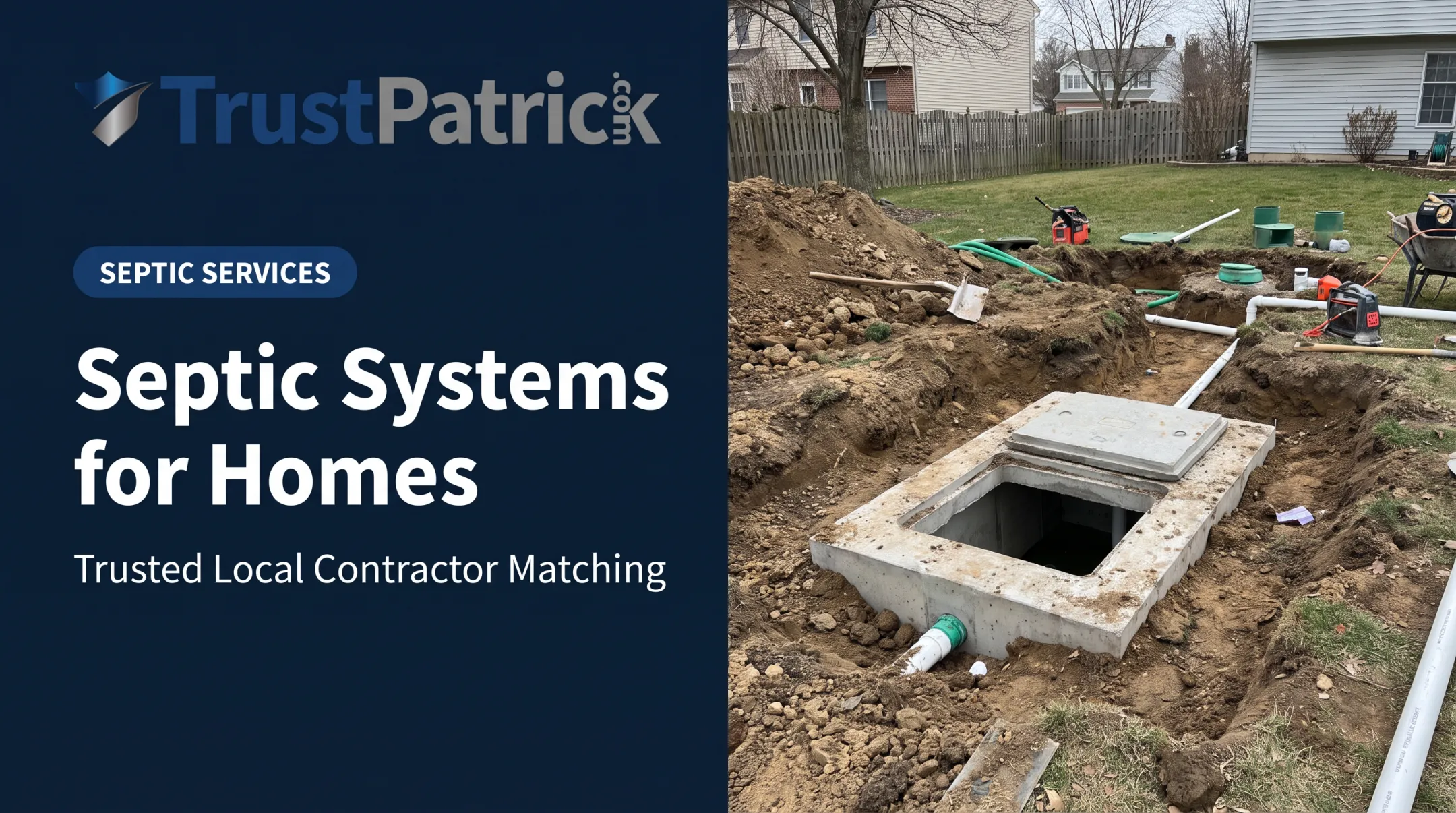
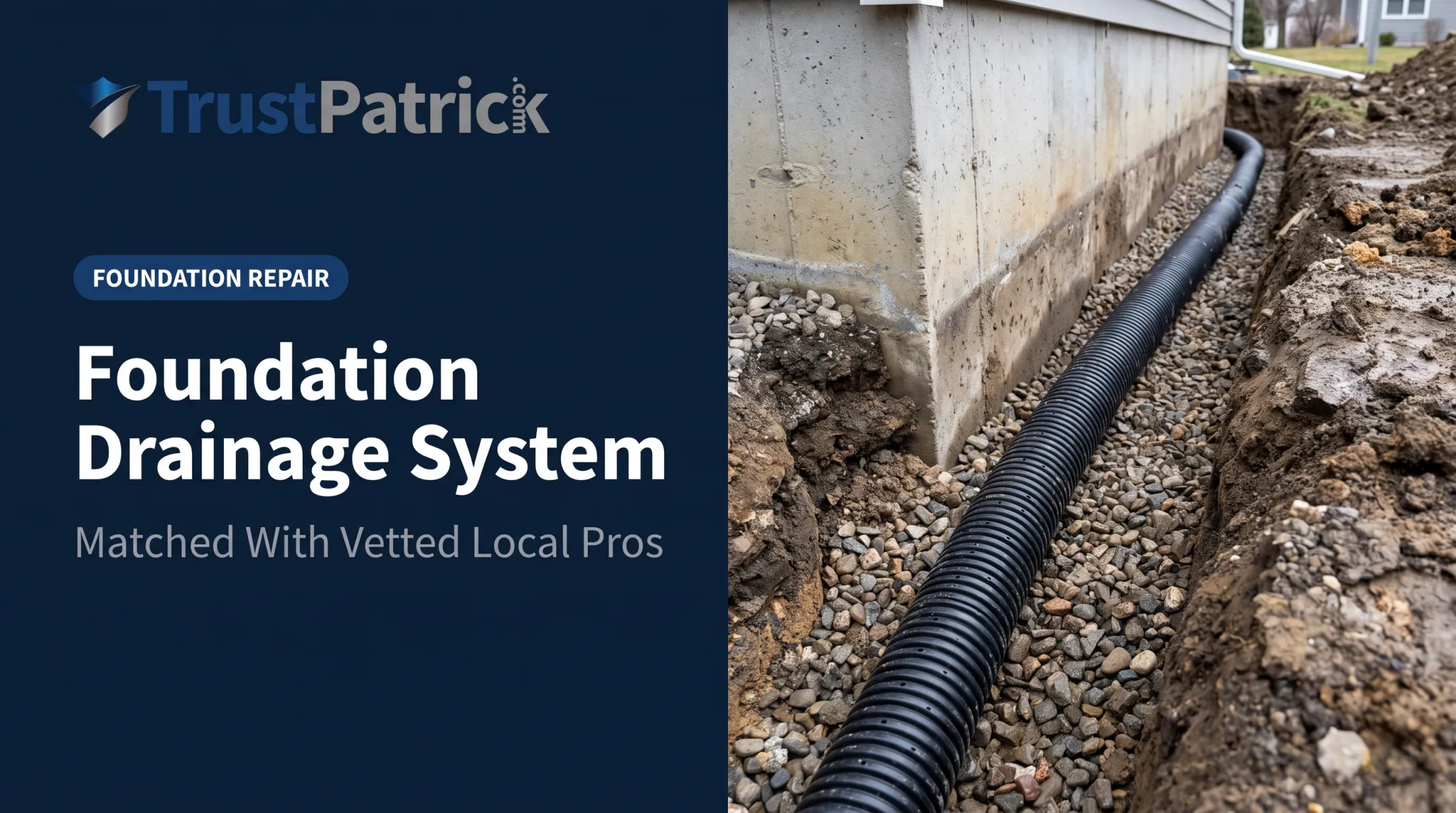
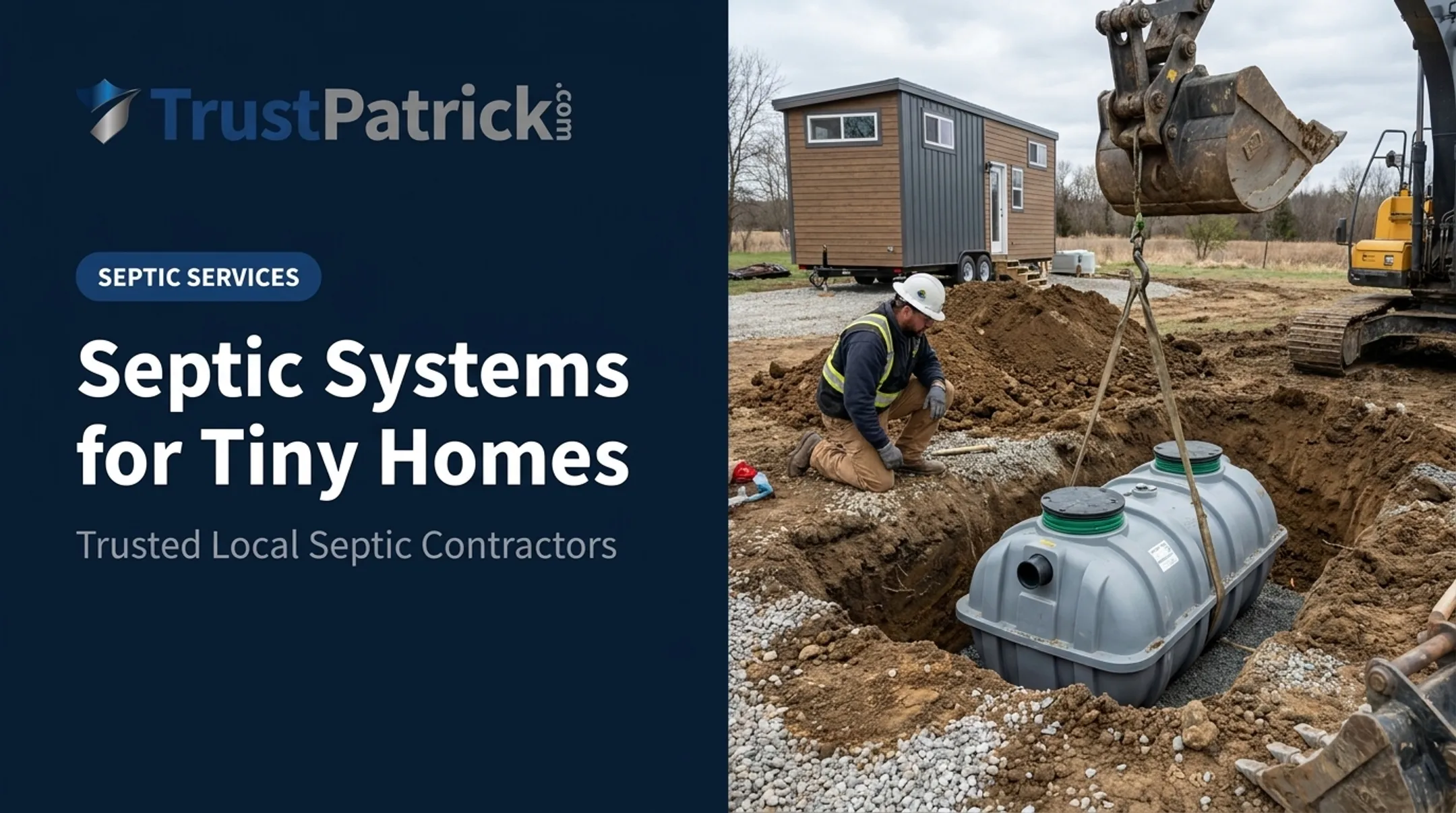
Homeowners on high water table lots face a specific problem: there's not enough dry, unsaturated soil between the drainfield and groundwater to treat wastewater safely. Conventional gravity systems depend on that buffer. When it disappears, so does the system's ability to function.
The stakes are real. A failing septic system can send untreated effluent into your yard, your well, or nearby waterways, creating health risks and code violations. In one Camden County, Georgia case, officials identified 21 failing systems tied to poor soils and flooding before replacing them with mound systems better suited to high groundwater conditions.
The good news: engineered alternatives exist. With the right site evaluation and installer, wet ground doesn't have to mean no septic system.
Key Takeaways
- High water tables shrink the unsaturated soil zone a septic system needs to treat effluent properly
- Mound systems, pressurized/shallow drainfields, sand filters, and ATUs are the standard fixes
- Slow drains, sewage odors, and soggy patches over the drainfield signal trouble
- A licensed soil evaluator should test your site before any system gets designed
- Working with a vetted septic contractor helps avoid expensive design mistakes
What Happens When the Water Table Is Too High for a Septic System
Conventional drainfields rely on a straightforward principle: wastewater flows through unsaturated soil, and that soil filters out pathogens and pollutants before the water ever reaches groundwater. Take away the dry soil, and the whole treatment process breaks down.
When groundwater rises into the drainfield zone, saturated soil simply can't accept more wastewater. Effluent has nowhere to go, so it backs up. In severe cases, it can even push back into the septic tank itself.
Warning Signs You Shouldn't Ignore
Watch for these symptoms if your property sits on a high water table:
- Slow-draining sinks, tubs, or toilets throughout the house
- Gurgling sounds in plumbing fixtures
- Sewage backing up into drains
- Foul odors near the yard or drainfield
- Soggy, spongy, or unusually green patches of grass over the system
There's also a structural risk few homeowners consider: tank flotation. Saturated soil can literally push an empty or partially empty tank upward, cracking pipes and connections. Anti-buoyancy measures, like anchoring straps or extra ballast, are sometimes necessary in these conditions.

The Bigger Risk: Groundwater Contamination
Untreated effluent carries pathogens, nitrates, and other contaminants. The EPA specifically flags coastal waters as sensitive to nitrogen pollution from failing septic systems, and drinking-water wells near failing systems face direct contamination risk.
Coastal regions with shallow water tables face this threat at scale. As many as 60,000 septic systems in coastal Georgia alone have been identified as vulnerable to these conditions.
Best Septic System Options for High Water Table Properties
Not every wet lot needs the same fix. Here's what's actually available.
Mound Systems
A mound system builds an engineered layer of sand above the natural grade, recreating the treatment zone your soil can't provide on its own. Effluent gets pumped up into this sand mound, where it's treated before slowly filtering into native soil below.
It's one of the most established and proven solutions for high groundwater sites. The tradeoffs:
- Requires significant land area
- Needs periodic maintenance of pumps and components
- Some states (like Minnesota) require at least a 3-foot treatment zone with medium sand or finer material
Pressurized and Shallow Drainfields
Instead of building up, this approach spreads effluent thin and even. A pump doses wastewater evenly across a shallow, elevated field, keeping the treatment zone above the water table rather than digging down into it.
Drip distribution systems place laterals in just the top 6-12 inches of soil. That avoids the bulk of a mound while still controlling exactly how much effluent hits the soil and when.
You'll need:
- A dose tank
- Reliable electricity
- More hands-on maintenance than a gravity system
Sand Filter and Advanced Treatment Units (ATUs)
Sand filters and aerobic treatment units (ATUs) take a different approach entirely: pre-treat the effluent before it ever reaches native soil.
- Sand filters pump effluent through a lined sand bed under low pressure for strong nutrient treatment before the drainfield
- ATUs add oxygen to speed bacterial breakdown, sometimes with disinfection, and suit small lots or nutrient-sensitive sites
Neither eliminates the need for a functioning drainfield. They just reduce how much work that drainfield has to do. The tradeoff is mechanical complexity: more moving parts, more electricity dependence, and more frequent service than a gravity-fed system.
Match the system to soil texture, lot size, and budget:
- Tight, small lots often favor ATUs or drip systems
- Larger properties can absorb a mound's footprint
- Sites near sensitive waterways may need the nutrient reduction a sand filter or ATU provides

Site Evaluation: How Professionals Determine What You Need
Before design work starts, a licensed soil evaluator digs test pits to map conditions underground. Crews typically open three or four pits, spaced about 50 feet apart and at least 60 inches deep.
They're looking for redoximorphic features, gray soil streaked or mottled with rust-colored patches. This mottling reveals where groundwater seasonally rises and falls, even if the pit is dry the day of testing.
That seasonal high-water mark drives vertical separation rules, and those rules vary widely by location:
- Florida requires at least 24 inches of separation between the wet-season water table and the drainfield bottom
- Minnesota requires a 3-foot vertical separation for standard treatment zones
- Virginia's requirements shift depending on system category, with some as low as 18 inches for specific designs
There is no single national standard. Your evaluator also weighs soil texture, lot elevation, and local setback rules before recommending a system type—so a DIY read on "what my land needs" almost always falls short.

Cost and Long-Term Maintenance Considerations
Engineered systems cost more than conventional gravity setups. That's simply the tradeoff for making a wet site workable.
The EPA cites $5,000 to $15,000 as a general range for conventional system repair or replacement. Alternatives run higher because of added pumps, sand, and design complexity.
Routine conventional maintenance runs $250 to $500 every 3 to 5 years. Alternative systems carry heavier ongoing costs:
- Mounds: periodic pump and component checks, plus more land dedicated to the system
- Sand filters: media replacement every 2 to 5 years, depending on loading rates
- ATUs: $200 to $500 per year in operating costs, plus quarterly to yearly service contracts
These systems need more frequent inspections than standard septic setups. Skip maintenance on an ATU blower or sand filter pump, and you risk the exact failure the system was built to prevent.

Finding a Qualified Septic Professional for Your Property
A poorly designed high-water-table system doesn't just fail early. It contaminates groundwater and puts you back at square one, usually after spending thousands of dollars.
When vetting a septic contractor for this kind of project, look for:
- State licensing specific to septic system design and installation
- Documented experience with mounds, ATUs, or sand filters, not just conventional gravity systems
- A written site evaluation that references soil test pits and separation requirements, not a verbal estimate
- Willingness to explain tradeoffs between system types for your specific lot
Once you know what to ask for, comparing a few qualified contractors side by side makes the choice clearer. TrustPatrick connects homeowners with up to three vetted, background-checked local septic contractors, at no cost and with no obligation to hire.
You compare estimates and design approaches without the sales pressure that often comes with calling a single contractor cold. For a project this technical, getting multiple perspectives on your site evaluation is worth the extra ten minutes it takes to request quotes.
Frequently Asked Questions
What is the best type of septic system for a high water table?
There's no single best option. Mound systems, pressurized shallow fields, sand filters, and ATUs are the most common solutions, and the right choice depends on your soil evaluation and lot size.
What happens if the water table is too high for a septic system?
Saturated soil can't treat effluent properly, leading to slow drains, sewage backup, and untreated wastewater reaching groundwater. This creates both a mechanical failure and a contamination risk.
What are my options if the water table is too high for a septic system?
Start with a professional soil and site evaluation. That report, plus lot size, setbacks, and budget, determines whether a raised, shallow, or treatment-based system is allowed on your property.
How deep should a septic drainfield be above the water table?
Requirements vary by state. Florida requires 24 inches of separation, Minnesota requires 36 inches, and Virginia's rules differ by system category. Always confirm with your local permitting authority.
Can you fix a septic system that's failing due to a high water table?
Reducing water use and more frequent pumping can buy temporary relief. Long-term, a permanent redesign—often a mound or ATU—is the lasting fix.
How much does a septic system for a high water table cost compared to a standard system?
High-water-table systems often cost 50–100% more upfront because of pumps, sand fill, and design complexity, and they need more frequent maintenance. Get multiple local contractor quotes so pricing reflects your soil and lot—not a generic average.