Extreme temperatures don't just make a shed uncomfortable. They warp tools, crack musical instruments, ruin electronics, and turn a home office into a sauna or icebox. The right insulation is what separates a three-season storage box from a space you can actually use year-round.
This guide breaks down the best insulation types for a shed, how R-values work by climate zone, and how to choose (and install) the right material for your project.
TL;DR
- Match insulation to shed use — basic storage needs less than a workshop or livable space
- Fiberglass batts are the most affordable, DIY-friendly option for most sheds
- Spray foam and rigid foam deliver higher R-values per inch for climate-controlled builds
- R-value, vapor barriers, and ventilation all shift with climate zone and wall vs. roof needs
- Bigger conversions often benefit from a professional installer, especially for spray foam
Overview of Shed Insulation
Shed insulation is any material installed in the walls, roof, or floor to slow heat transfer and manage moisture. It regulates interior temperature, protects stored items from humidity swings, and makes heated or cooled use possible.
Most sheds aren't legally required to be insulated. Building codes generally only kick in once a structure becomes a conditioned space, meaning it's heated or cooled, even indirectly. The moment you run electric heat or a mini-split into your shed, you're in different territory than a simple tool shed.
Whether insulation is worth it depends on how you use the space:
- Optional for unheated sheds that only store lawn equipment
- Essential if you plan to work, exercise, or relax in it comfortably
Here's how the main materials stack up.
Best Insulation Types for a Shed
Fiberglass Batts/Rolls
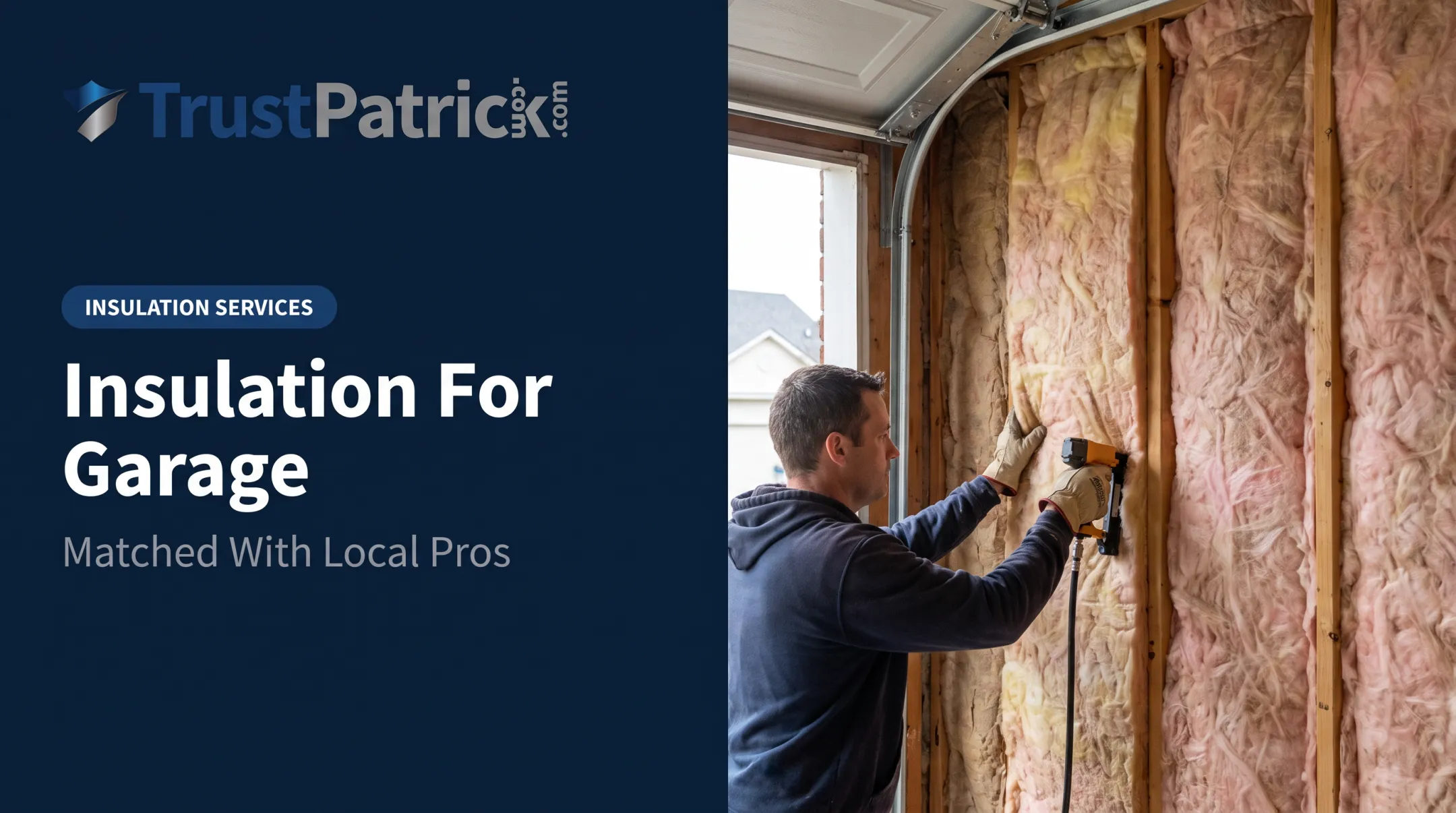
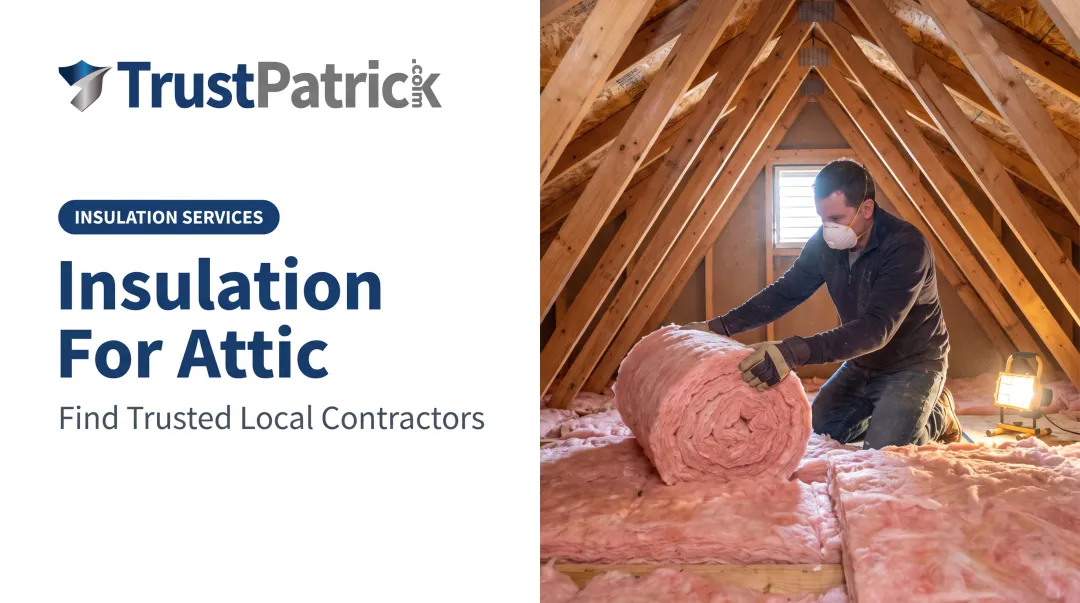
Fiberglass is the go-to for DIY sheds. It's sold in pre-cut batts or rolls sized to fit standard stud spacing, so most homeowners can install it in an afternoon with a utility knife and staple gun.
- R-value range: roughly R-11 to R-49, depending on thickness (3.5 to 14 inches)
- Best for: basic storage sheds, mild climates, or budget-conscious workshop conversions
- Install tip: Leave it uncompressed in the cavity; packing it into a tighter space cuts its rated R-value

Rigid Foam Board
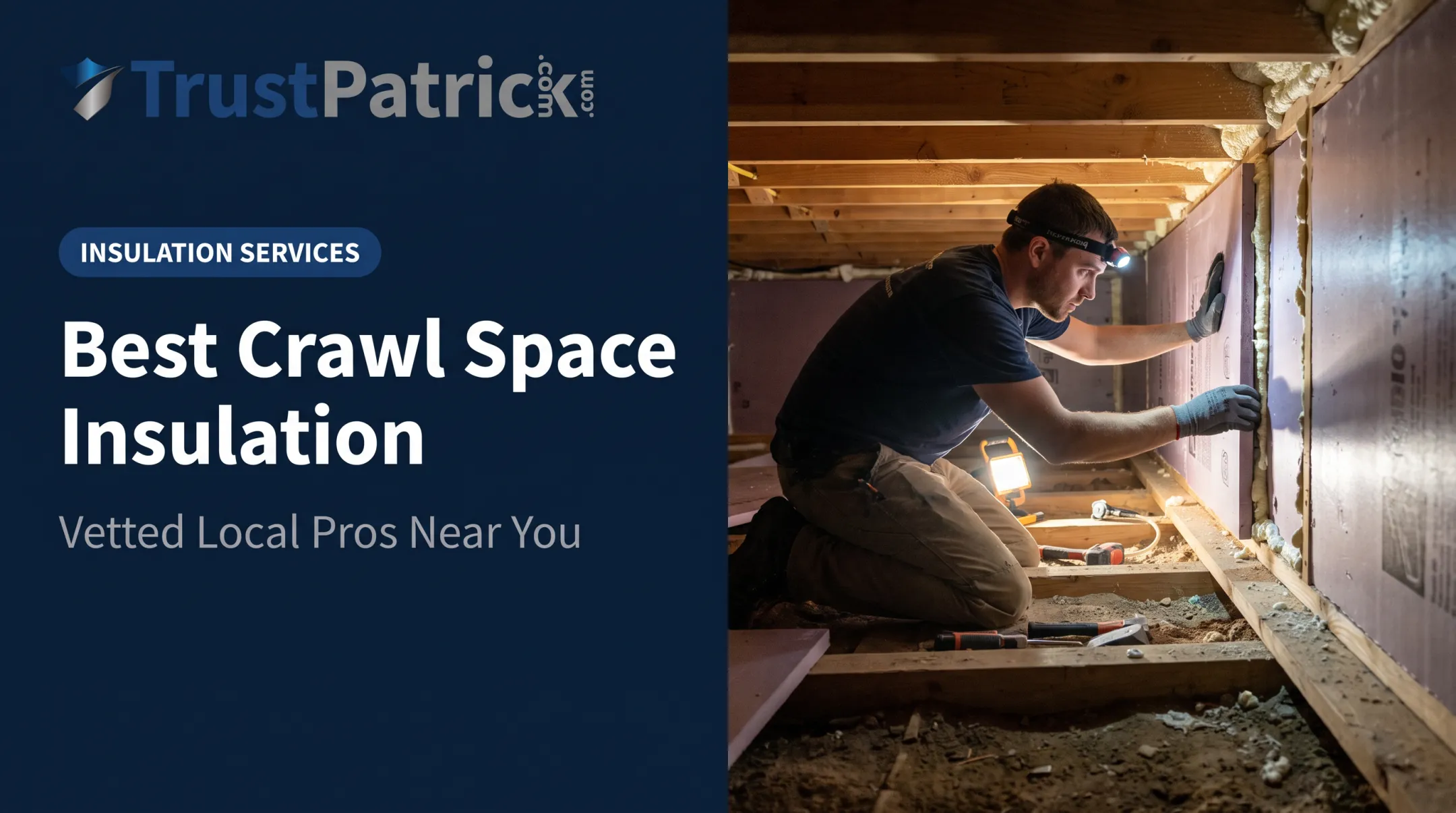
Rigid foam boards (XPS, EPS, or polyiso) pack more insulating power into less thickness than fiberglass, which matters in a shed with thin wall cavities.
- Polyiso hits around R-6.0 per inch, among the highest of common rigid boards
- XPS delivers around R-5.6 per inch with strong moisture resistance
- EPS runs closer to R-3.85–R-3.92 per inch, typically the most affordable rigid option
- Best applications: Under roofing, on floors, or as a thin-profile wall solution
Spray Foam (Open-Cell and Closed-Cell)
Spray foam expands to fill gaps and cracks, giving it an air-sealing advantage no batt or board can match.
- Open-cell: R-3.6 to R-4.5 per inch, moisture-permeable, generally needs 3.5–5.5 inches to become air-impermeable
- Closed-cell: R-5.8 to R-6.9 per inch, water-resistant, becomes an effective air and vapor barrier at around 1.5 inches
- Closed-cell is the better fit for humid regions or extreme temperature swings, since it resists moisture intrusion far better than open-cell
Spray foam almost always requires professional application, which is worth factoring into your budget.
Reflective/Radiant Barrier
A radiant barrier is a layer of foil that reflects heat rather than absorbing it. It only works when installed with an adjacent air space, and it performs best against summer radiant heat gain.
- Ideal for: hot climates and metal-roofed sheds, where solar heat gain is the main problem
- Install condition: Requires an adjacent air space to reflect heat effectively
- Limitation: Supplements cavity insulation; not a standalone R-value solution
Comparison Table
| Material | R-Value per Inch | Relative Cost | Best Use Case |
|---|---|---|---|
| Fiberglass batts | R-3.1–R-3.5 | Low | Basic storage, DIY, mild climates |
| Rigid foam (XPS/EPS/polyiso) | R-3.85–R-6.0 | Moderate | Thin walls, floors, roofs, moisture-prone areas |
| Open-cell spray foam | R-3.6–R-4.5 | Moderate-High | Air sealing, moderate climates |
| Closed-cell spray foam | R-5.8–R-6.9 | High | Extreme or humid climates, small cavities |
| Radiant barrier | N/A (reflective, not R-rated) | Low | Hot climates, metal roofs |

How to Choose the Best Insulation for Your Shed
Match the product to how you use the shed, then set R-value, budget, and moisture control around that plan.
Key decision factors:
- Storage-only sheds rarely need more than a basic fiberglass layer; a workshop, home office, or livable space justifies higher-performance material and full wall-roof-floor coverage
- ENERGY STAR retrofit guidance calls for ceiling/attic levels from R-30 in warmer zones up to R-60 in colder zones, with wall additions of R-5 to R-10 by region
- Roofs need more insulation than walls because heat rises and radiant sun load hits the roof directly
- Fiberglass costs less upfront; closed-cell spray foam costs more but air-seals better and often pays off if the shed runs HVAC year-round
- A 10x16 used occasionally is usually fine with fiberglass batts in the walls and roof; daily-use offices or heated workshops are stronger candidates for full spray foam
Build in ventilation either way. A tight, insulated shed with no airflow traps moisture and invites mold. Keep vapor barriers on the warm side of the insulation, and adjust placement for your climate and whether the space is air-conditioned.
For spray foam, vapor detailing, or HVAC tie-ins, compare quotes from vetted local insulation contractors so the system is installed correctly the first time.
Installation Basics and R-Value Guide
A typical shed insulation project follows this sequence:
- Seal air leaks around windows, doors, and wall penetrations before adding any insulation
- Install wall insulation, fitting batts or boards snugly into stud cavities without compressing them
- Insulate the roof/ceiling, keeping ventilation gaps (like soffit-to-ridge airflow) clear so moisture doesn't get trapped
- Add floor insulation if the shed will be heated or cooled year-round

Recommended R-Values
Match R-value to how you use the shed and your climate:
- Walls: R-13 to R-15 in most climates; R-19+ in colder zones
- Roof/ceiling: R-19 to R-30 — heat rises, so this layer matters most
- Floor: R-11 to R-19 when the space is heated or cooled year-round
Pushing R-value higher only helps if air sealing and ventilation are already handled.
Calculating How Much You Need
Measure gross wall area (perimeter × height) and subtract doors and windows.
For a standard 10x16 shed — about 160 square feet of floor space — plan on roughly 300–400 square feet of batts or boards once walls and roof are combined. Final quantity depends on wall height and roof pitch.
DIY vs. Hiring a Pro
Fiberglass batts and rigid foam boards are straightforward DIY projects for most homeowners. Spray foam is different — it needs specialized equipment and safety precautions, so it's usually a job for a licensed installer.
If you want the work done right without buying gear you won't reuse, compare local insulation contractors before you purchase materials.
Costs and Common Mistakes to Avoid
Insulation costs vary widely by material and region. Typical per-square-foot ranges:
- Fiberglass batts: $0.30–$1.50/sq ft
- Spray foam: $1–$2/sq ft (thickness and access change the final price)
- Radiant barrier material: $0.10–$0.90/sq ft
These are general market ranges, not shed-specific quotes. Get local estimates for your exact project.
Common mistakes to avoid:
- Skipping the vapor barrier entirely, which invites condensation and mold over time
- Blocking roof ventilation by overstuffing insulation into soffit or ridge vents
- Ignoring moisture issues before insulating, which traps existing dampness inside the wall cavity
- Using the wrong material for your climate — reflective barriers alone won't cut it in a cold northern winter

Spray foam and full shed conversions carry more risk of costly mistakes than a basic fiberglass job. A poorly sealed spray foam application or a blocked vent can wipe out the benefits of the material you chose. A vetted, background-checked local contractor is worth the fee here: they catch sealing and ventilation issues a first-time DIYer often misses.
Conclusion
There's no single "best" insulation for every shed. The right choice comes down to how you use the space, your local climate, and how much you're willing to spend upfront versus what you'll save long-term.
A weekend storage shed might need nothing more than a few fiberglass batts. A daily-use home office might justify closed-cell spray foam and a full vapor-barrier strategy.
Before you buy materials, take stock of your actual goals: comfort, protection for stored items, or year-round usability. That answer will point you toward the right product faster than any spec sheet.
If your shed project has grown into a larger conversion — new insulation, HVAC, the works — TrustPatrick can match you with up to three vetted, background-checked local contractors for a no-obligation comparison. No spam, no paid rankings, just qualified pros who can quote your specific project.
Frequently Asked Questions
What is the best insulation for a shed?
Fiberglass batts work well for basic storage or mild-climate sheds. Spray foam or rigid foam boards are better for climate-controlled workshops, offices, or extreme climates when you need more R-value per inch.
Is it a good idea to insulate a shed?
It depends on how you use the shed. If you're heating, cooling, or spending significant time inside, insulation improves comfort and protects stored items from temperature and humidity damage.
How much insulation is needed for a 10x16 shed?
A 10x16 shed has about 160 square feet of floor space, but you'll need to cover roughly 300–400 square feet once walls and roof are included. Match the R-value to your climate zone's recommendations.
What R-value should I use for shed walls versus the roof?
Roofs generally need higher R-values than walls since heat transfer through the roof is greater. ENERGY STAR guidance suggests ceiling/attic values from R-30 to R-60 depending on climate zone, with walls often in the R-13 to R-21 range.
Can I insulate a shed myself?
Fiberglass batts and rigid foam boards are DIY-friendly with basic tools. Spray foam usually needs a pro because of the equipment involved—compare vetted local insulation contractors if you go that route.
Do I need a vapor barrier when insulating a shed?
Yes, in most cases. Vapor barriers prevent moisture from migrating into wall cavities and causing mold or rot. Place them on the warm side of the insulation; exact placement still depends on your climate.